What Is Dyslexia? A Guide for Parents
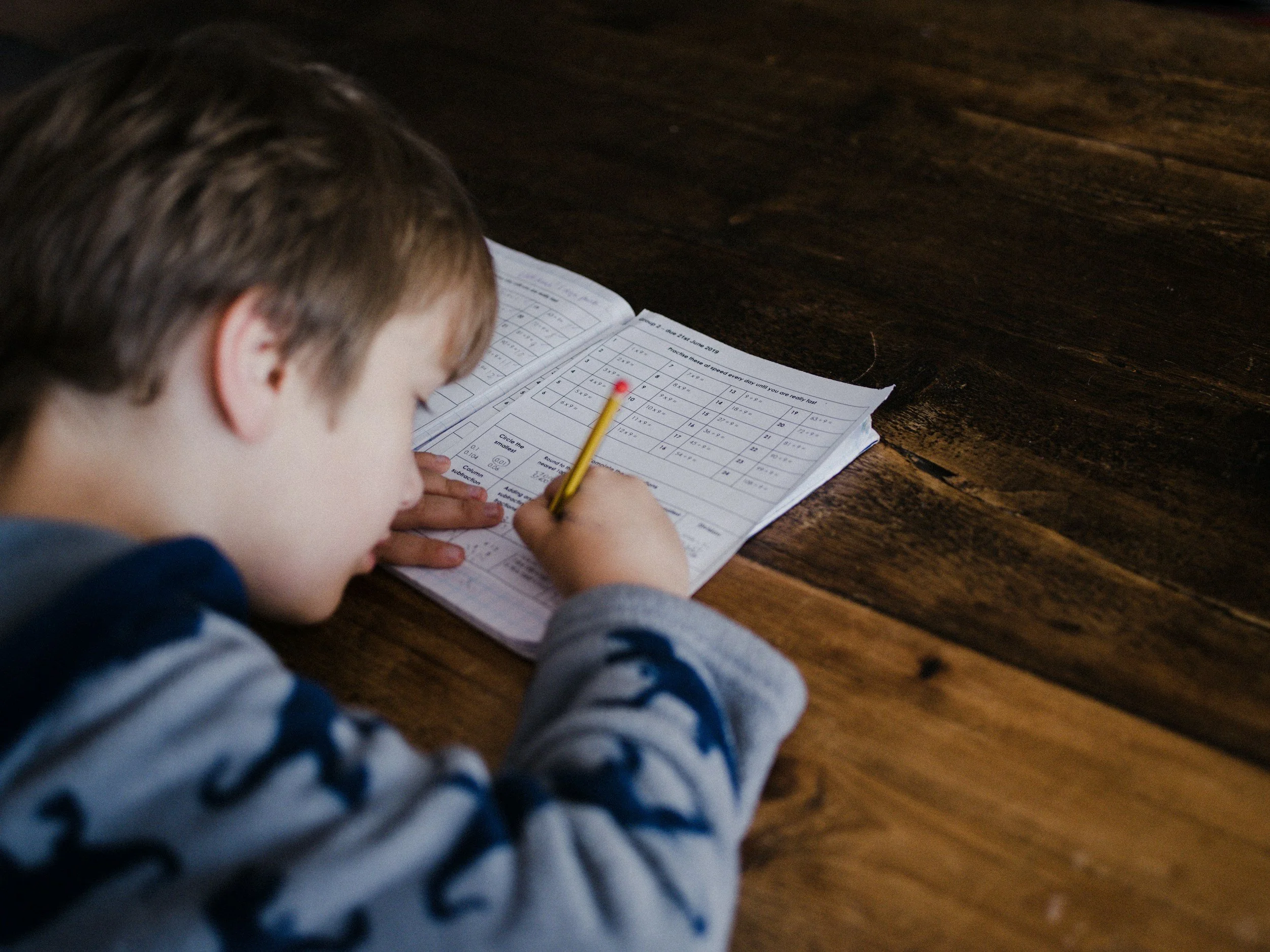
As a dyslexia therapist, one of the most common questions I hear from concerned parents is:
“What exactly is dyslexia?”
You may have noticed your child struggling to read, spell, or keep up with their classmates. Maybe they avoid books, guess words instead of sounding them out, or get frustrated doing homework. If this sounds familiar, you're not alone—and there’s a good chance dyslexia could be playing a role.
Let’s break it down together in a way that’s easy to understand.
What Is Dyslexia?
Dyslexia is a brain-based learning difference that primarily affects a person's reading, writing, and spelling ability. It is not caused by low intelligence, laziness, or lack of effort. In fact, many children with dyslexia are bright, creative, and eager to learn—but they need to be taught in a different way.
Think of dyslexia as a difference in how the brain processes language. Children with dyslexia may struggle with:
Matching letters to sounds for spelling
Sounding out new, unfamiliar words
Spelling words consistently
Reading fluently and accurately
Remembering sequences, like the alphabet or days of the week
What Dyslexia Is Not
There are a lot of myths out there, so let’s clear a few things up:
Dyslexia is not a vision problem. Kids with dyslexia don’t see letters “backward” because of how their eyes work—it’s about how their brain interprets written language.
Dyslexia is not something a child will outgrow. It’s a lifelong learning difference, but with the right intervention, students with dyslexia can become strong, successful readers.
Dyslexia is not connected to intelligence. In fact, many individuals with dyslexia have exceptional strengths in problem-solving, critical thinking, storytelling, art, or entrepreneurship.
Signs of Dyslexia in Children
Every child is different, but here are some common early warning signs:
In Preschool & Early Elementary:
Trouble learning or remembering letter names and sounds
Difficulty rhyming or hearing the individual sounds in words
Struggling to learn how to write their name or simple words
In Later Elementary Years:
Reading that’s slow, labored, or inaccurate
Guessing words instead of sounding them out
Poor spelling, even on familiar or practiced words
Avoidance of reading or reading aloud
If you’ve noticed any of these signs, it’s important to trust your instincts and seek support.
How Is Dyslexia Diagnosed?
A formal diagnosis typically involves a comprehensive evaluation by a licensed educational psychologist or dyslexia specialist. This evaluation looks at a child’s language processing, phonological awareness (sound processing), reading fluency, comprehension, and spelling.
If you’re concerned, you can:
Request testing through your child’s school (in writing), or
Seek a private evaluation for a faster, more detailed assessment.
How Can Children with Dyslexia Be Helped?
The most effective way to support a child with dyslexia is through structured literacy instruction. Programs based on the Orton-Gillingham approach are specifically designed for students who struggle with reading. These programs are:
Explicit (skills are taught directly)
Systematic (skills are introduced in a logical, step-by-step order)
Multimodal (using visual, auditory, kinesthetic, and tactile inputs)
Individualized (customized to meet each child’s unique needs)
With this kind of instruction, children with dyslexia can make incredible progress.
What Can Parents Do?
Here are a few steps you can take right now:
Talk to your child’s teacher. Ask how your child is doing with reading and whether a formal assessment might be helpful.
Read with your child. Even if they’re not reading independently, reading aloud to them builds vocabulary, comprehension, and connection.
Encourage, don’t pressure. Celebrate small wins and remind your child that effort matters. Confidence is just as important as skill.
Find the right support. A trained dyslexia therapist can make a world of difference.
You’re Not Alone
It’s normal to feel worried or unsure if you suspect your child has dyslexia. But here’s the truth: with the right support, children with dyslexia can thrive in school and beyond. Many go on to become successful authors, scientists, inventors, and leaders.
The key is understanding what’s going on, getting the right help early, and staying positive. If you ever have questions or need support, I’m here to help.
Want to Learn More?
Need guidance or support? We are here to help. Feel free to call us at 972-974-4065 or email at elizabeth@lightworkslearningcenter.com or schedule a FREE consultation here.